FJMC launched the international training program "Europe on Air 2026"
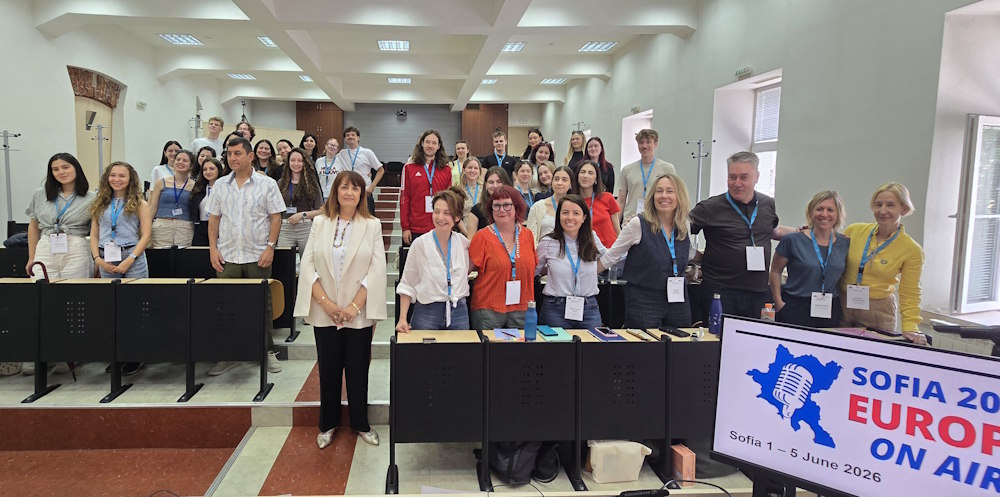
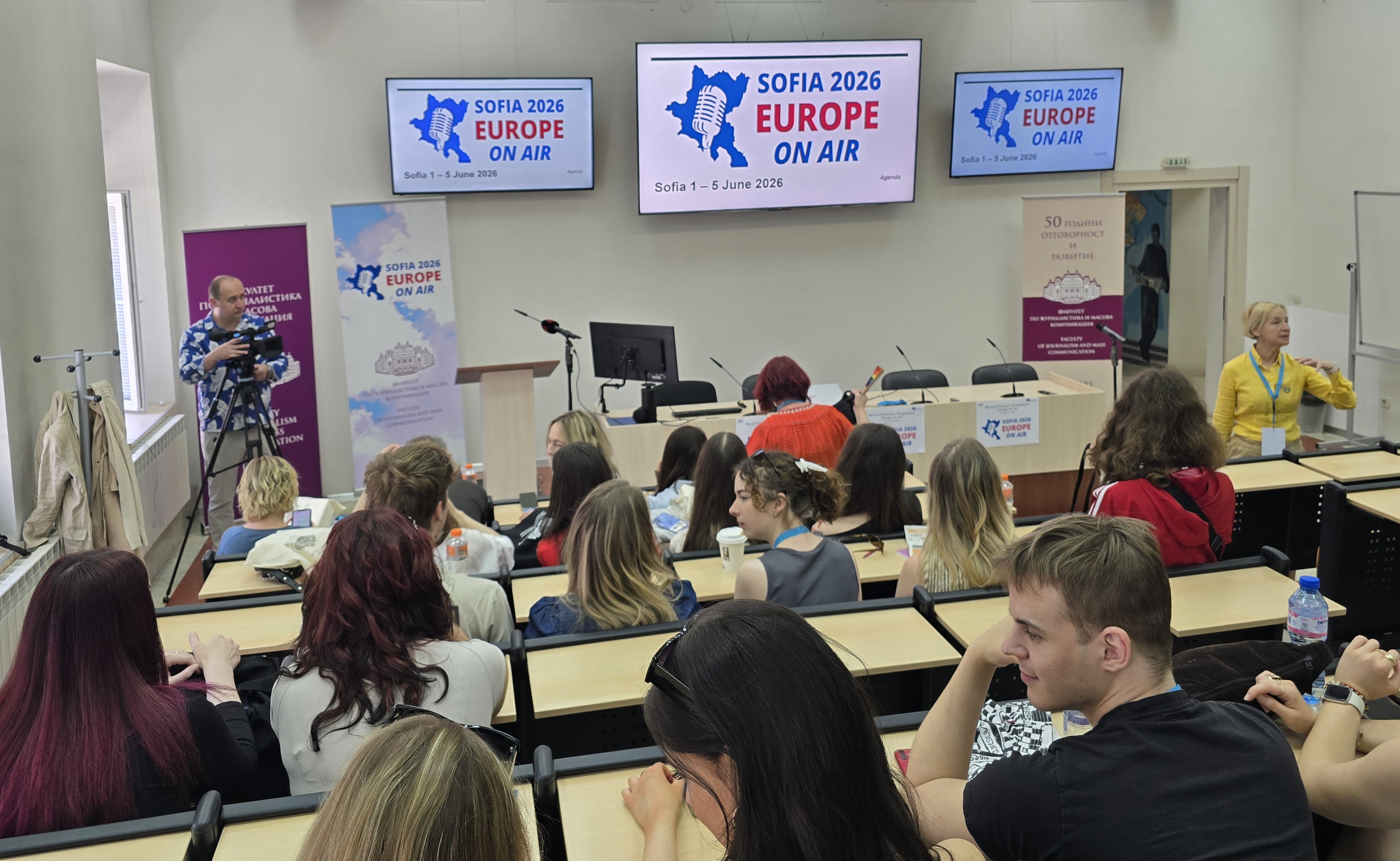
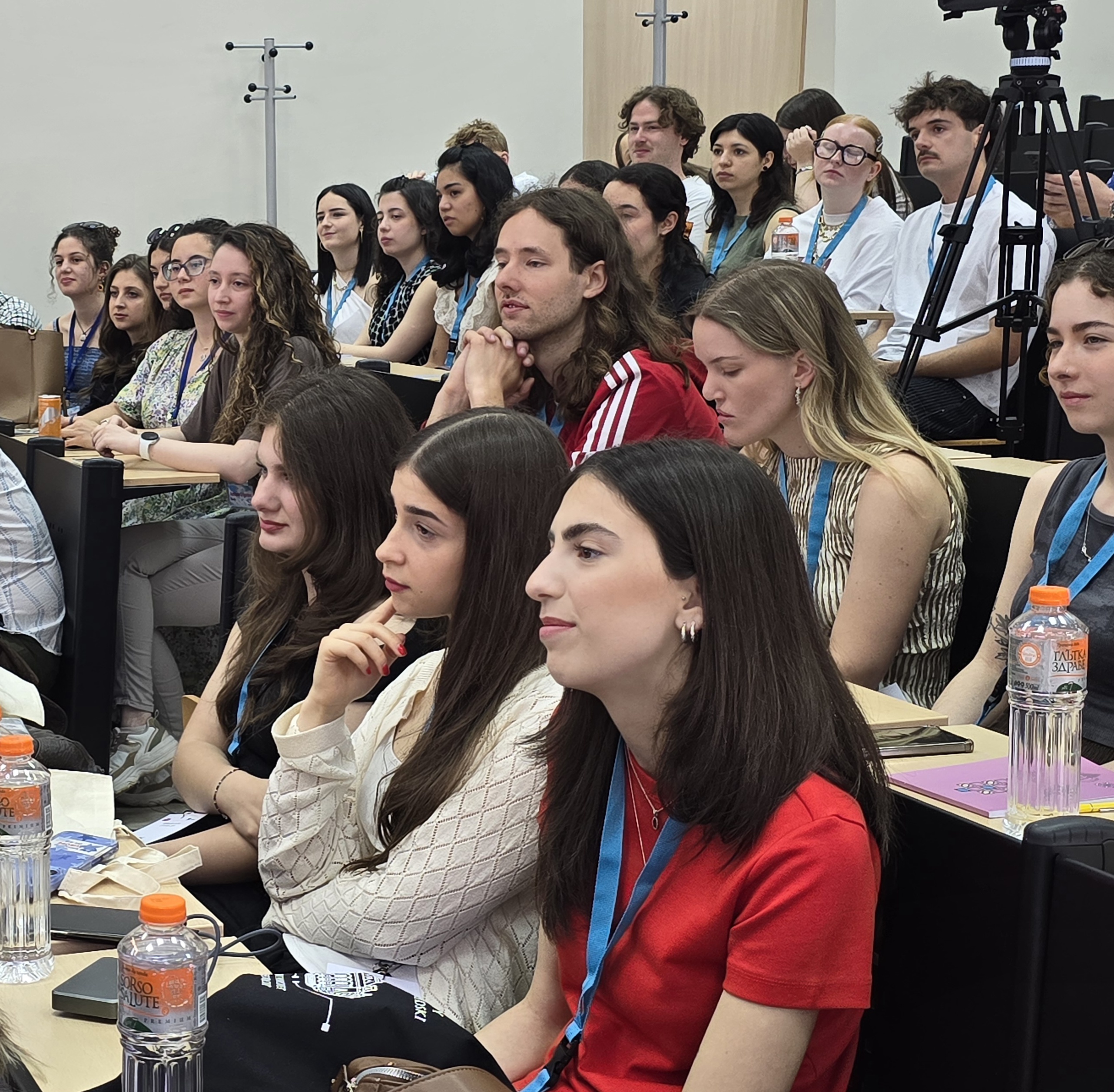
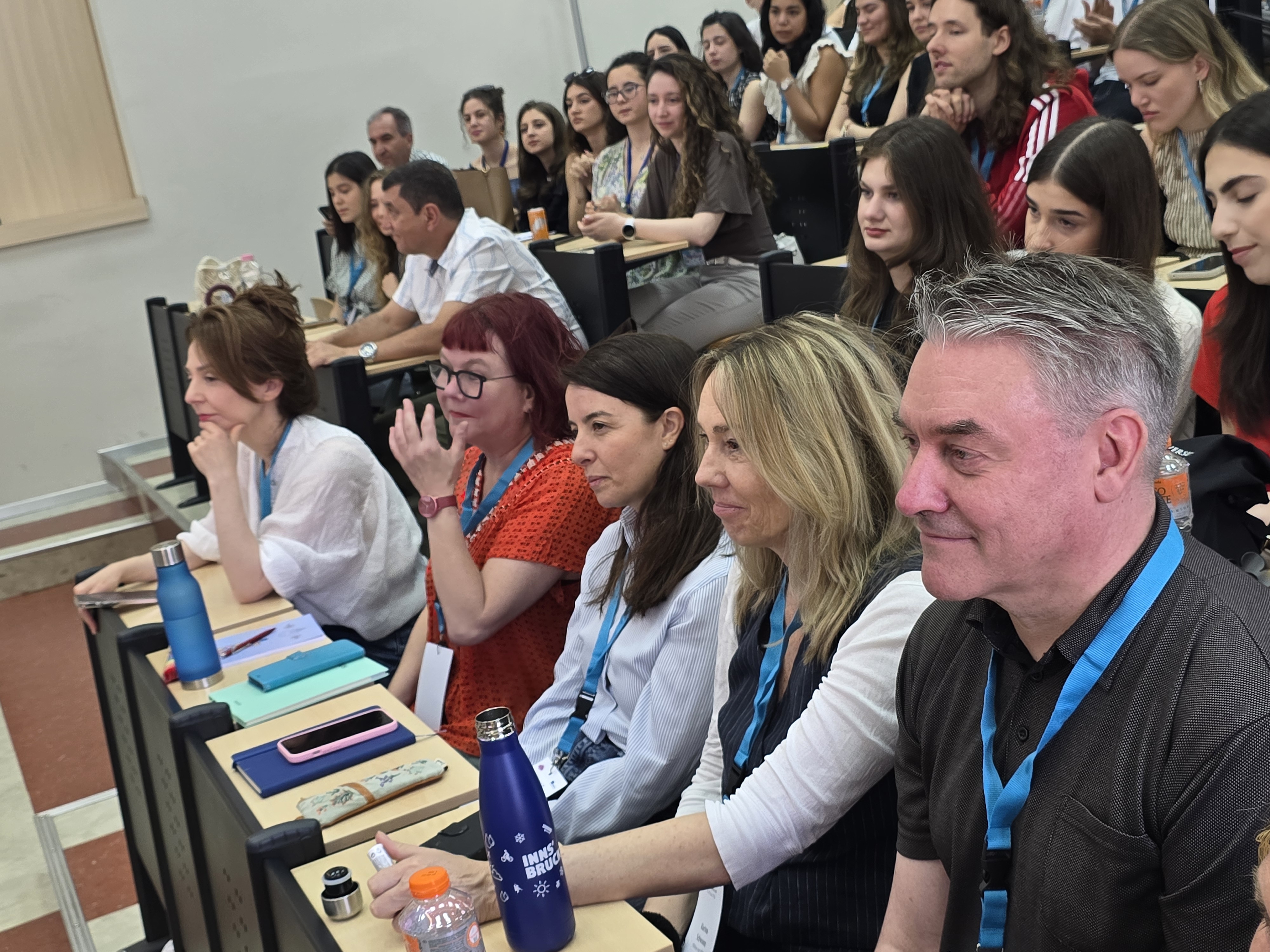
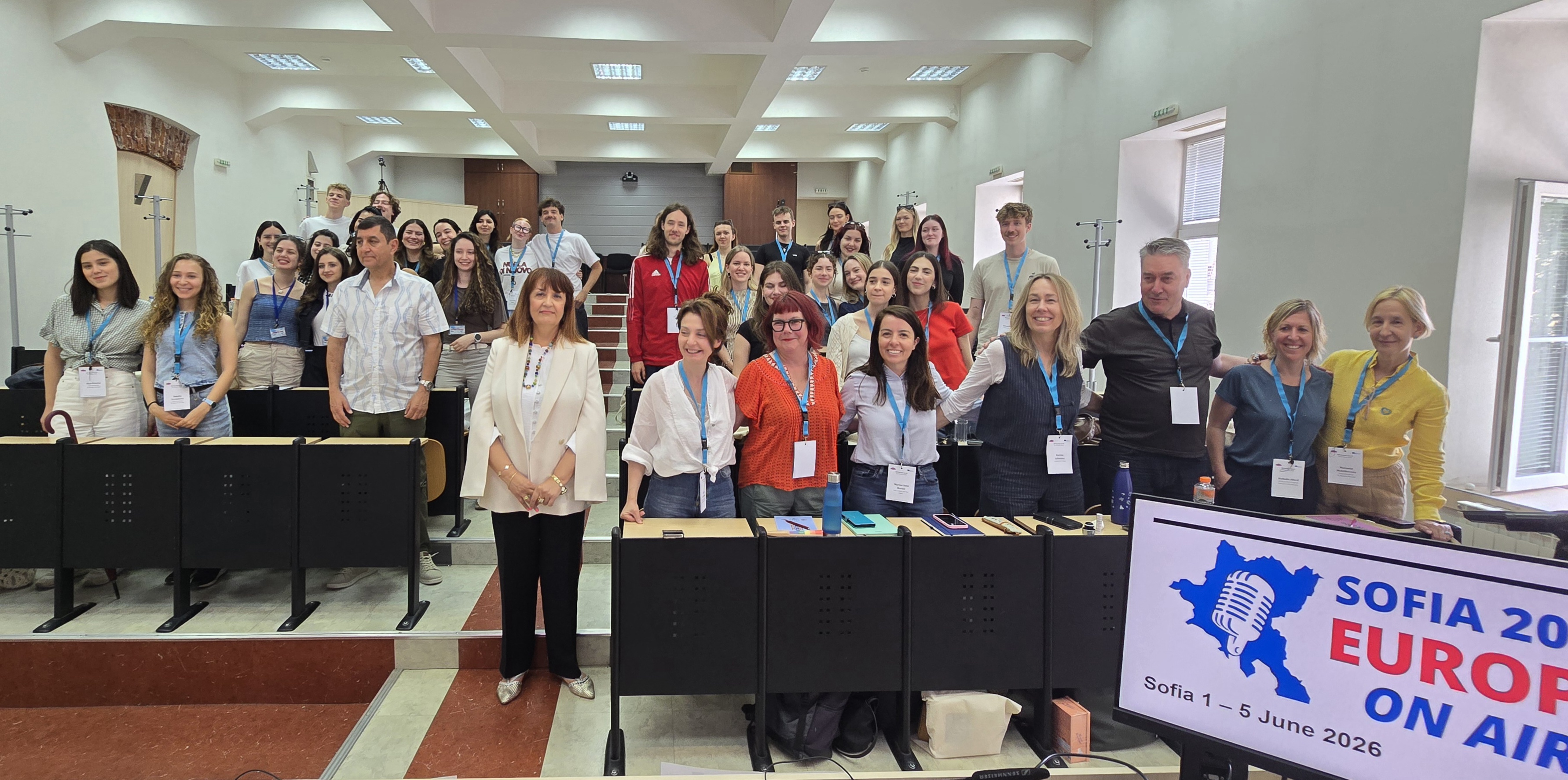
On June 1, 2026, the Faculty of Journalism and Mass Communication at Sofia University “St. Kliment Ohridski” launched the international Europe on Air 2026 Mixed Intensive Program. The program brings together students and faculty from six countries, who will spend a week working on the topic “How do social media influence social life?” Representatives from Universidad San Pablo Madrid, Spain; Artesis Plantijn University of Applied Sciences Antwerp, Belgium; Haaga-Helia University of Applied Sciences Helsinki, Finland; FH Wien, Austria; the Georgian Institute of Public Affairs, Georgia; and the Faculty of Journalism and Mass Communication, Sofia University, are participating in the program.
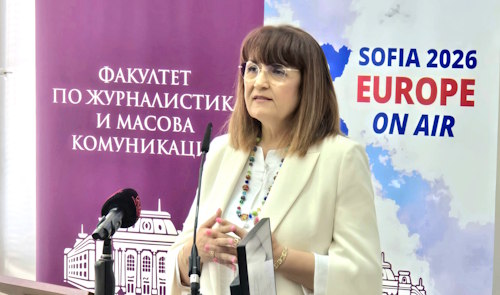
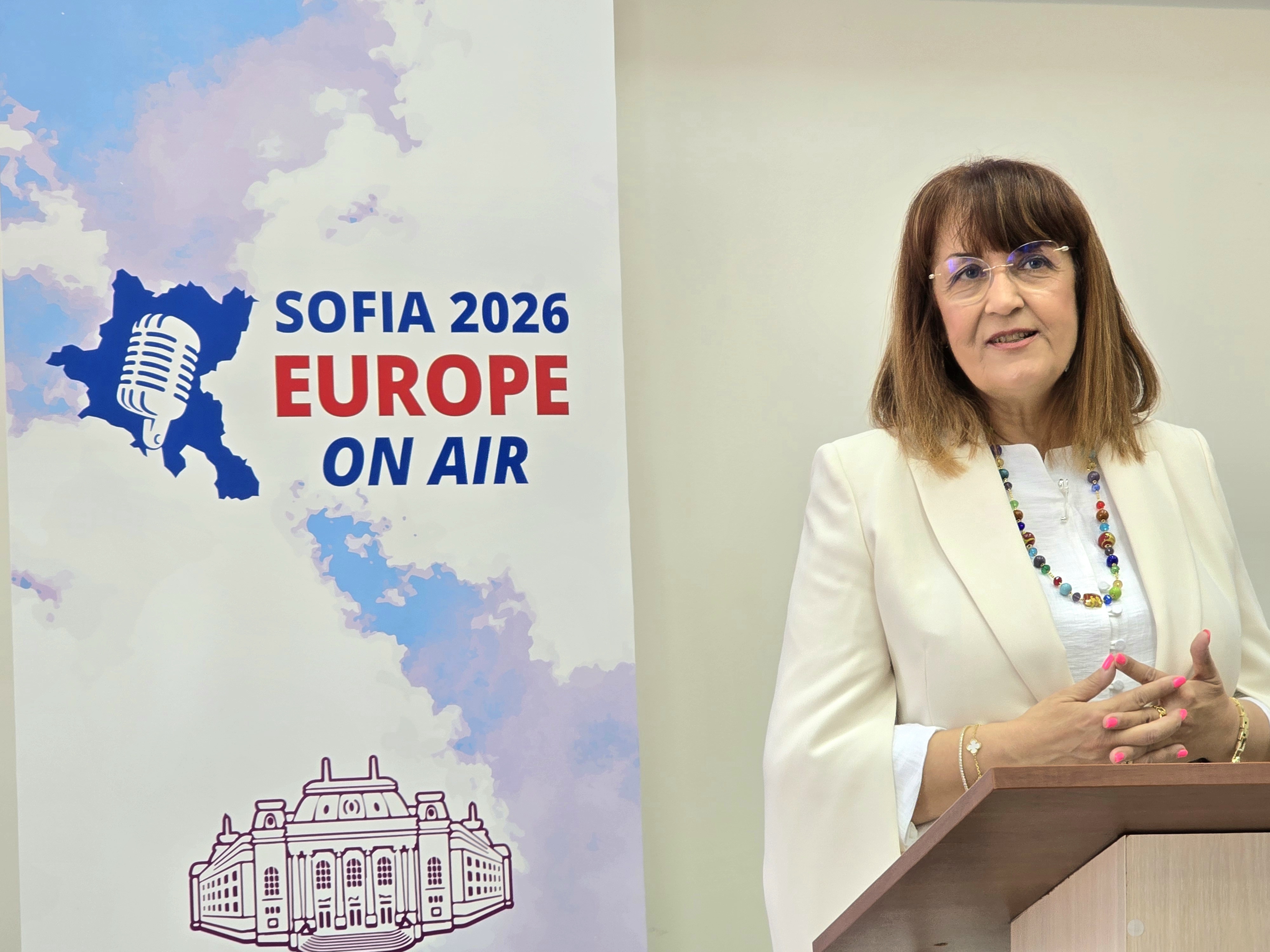
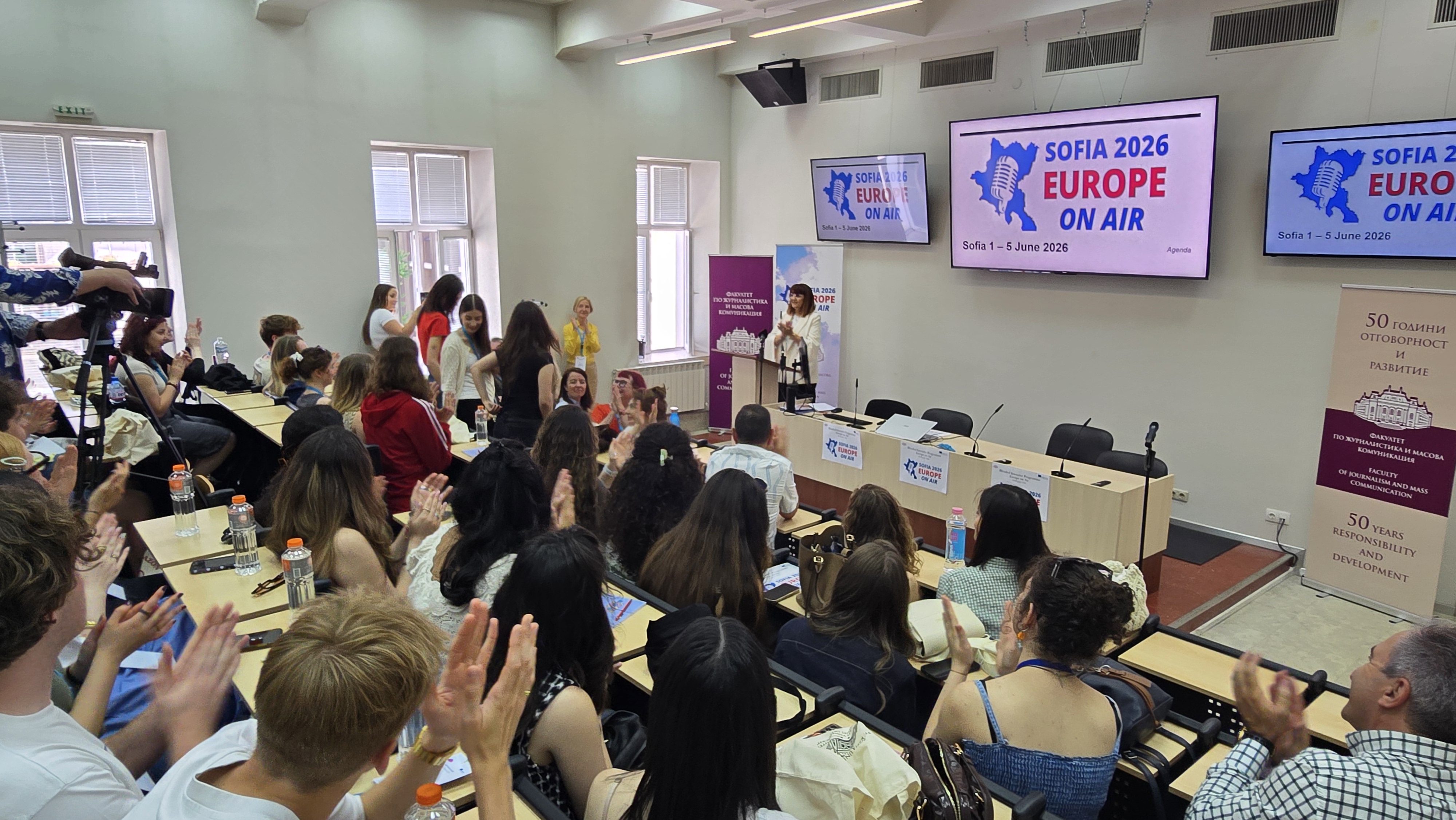
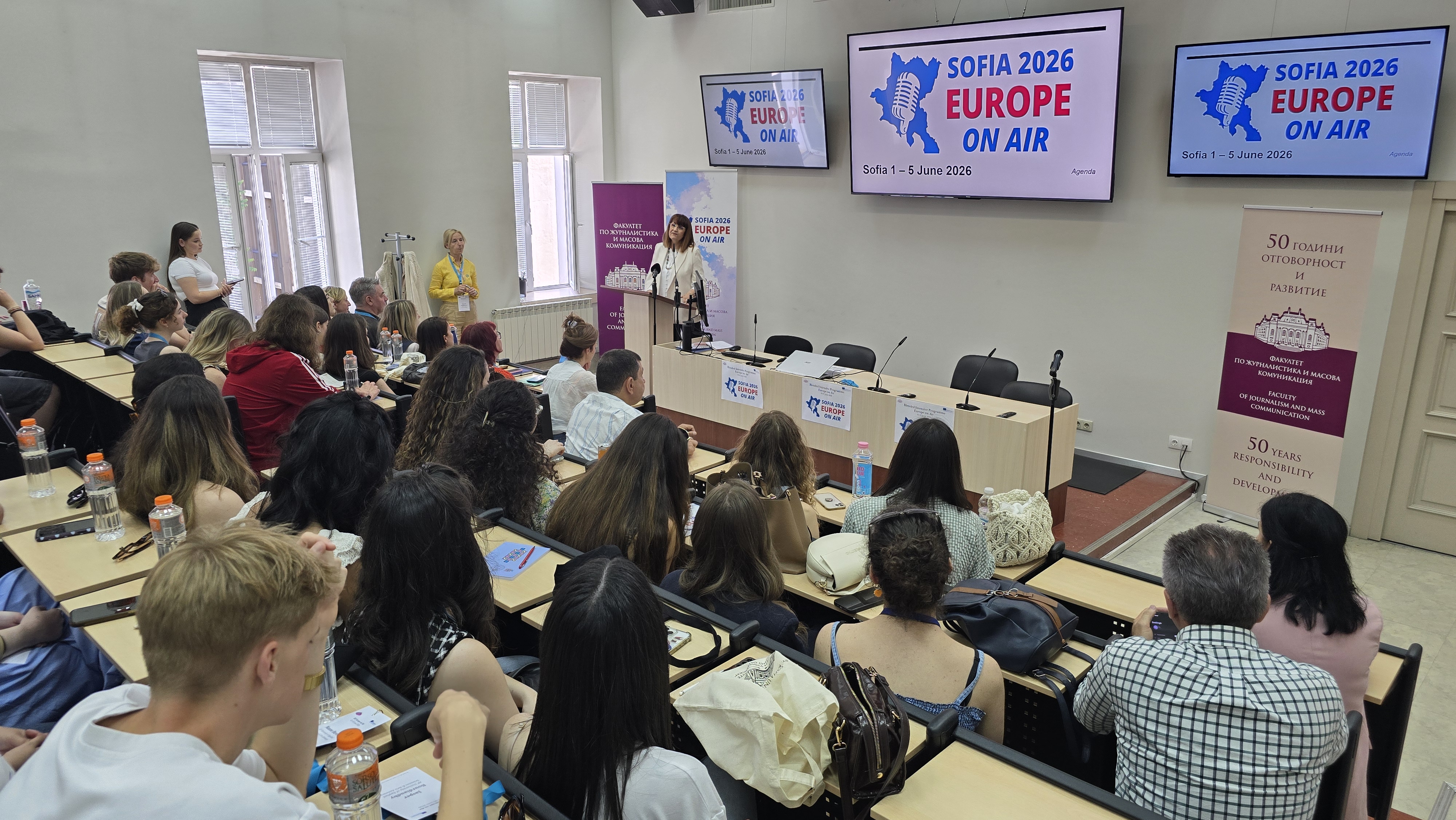
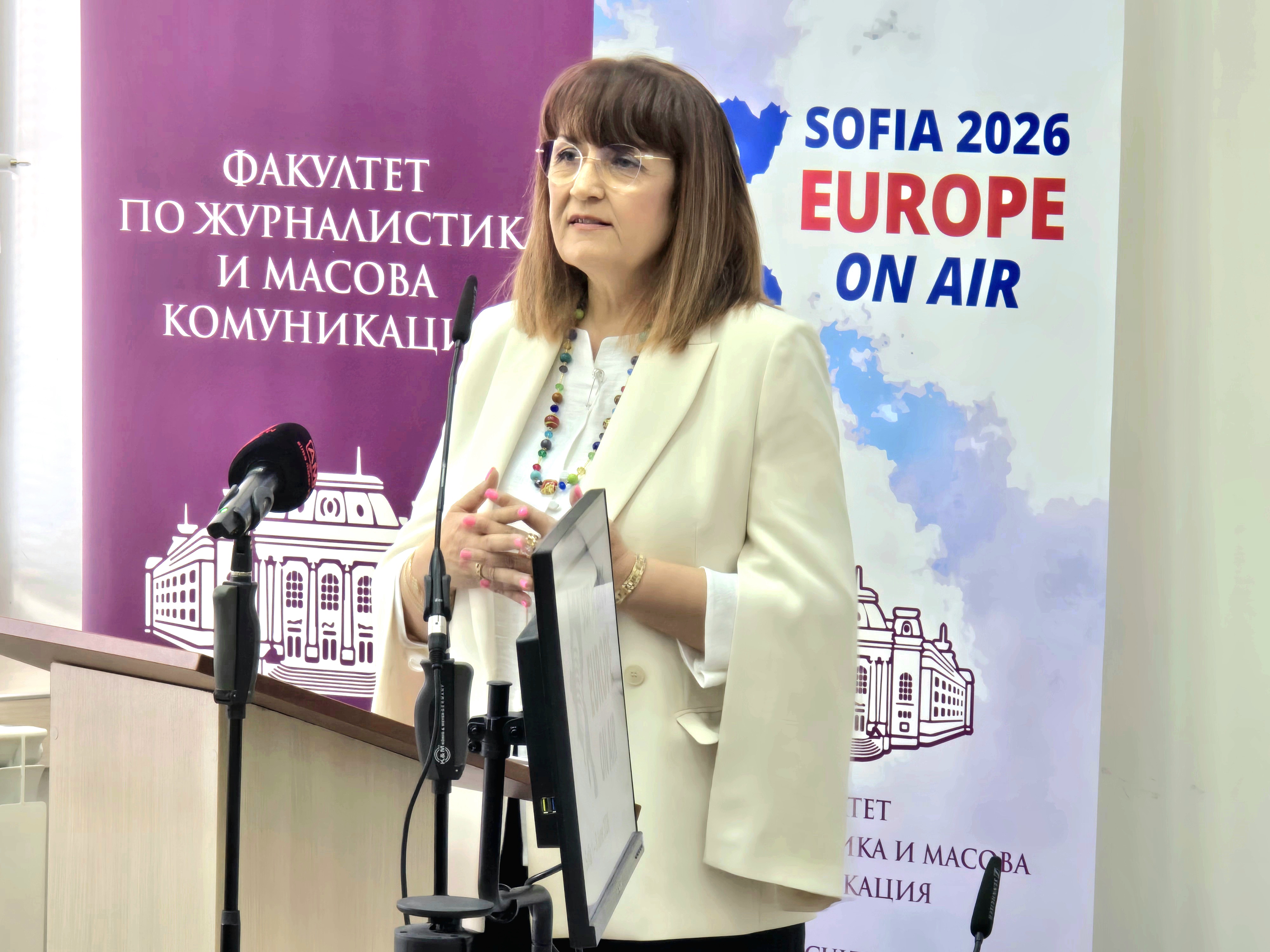
The official opening ceremony took place in the faculty’s Aula Magna. Participants were welcomed by the dean, Prof. Dr. Veselina Valkanova, who highlighted the importance of international academic initiatives for the exchange of knowledge, ideas, and professional experience between students and faculty.
In her speech, Prof. Valkanova drew attention to the history of Sofia University and its place in Bulgaria’s educational and cultural tradition. She noted that the building where the program’s opening ceremony was held is the oldest university building, constructed in 1883 and designated a cultural monument of national significance. The dean emphasized the role of Sofia University as the largest and most prestigious educational and research center in the country.
Prof. Valkanova presented the Faculty of Journalism and Mass Communication as a natural continuation of this educational and scientific mission and highlighted its more than 52-year contribution to training specialists for the public communication system, the media industry, and public communications. She recalled that academic education in journalism in Bulgaria began during the 1952–1953 academic year at Sofia University, and today the Faculty of Journalism and Mass Communication offers modern training in the professional field of “Public Communications and Information Sciences” in the majors “Journalism,” “Public Relations,” “Book Publishing,” and “Communication Management.”
In her welcoming remarks, the dean also highlighted the faculty’s modern educational facilities—training newsrooms for print and online media, an audiovisual complex with television and radio studios, a photo lab, a specialized library, newsrooms, and computer labs. According to her, these facilities enable students to produce print and online publications, as well as radio and television programs, thereby combining academic knowledge with practical training. “Professionally speaking, the philosophy of education and research in journalism and media at Sofia University is linked to the high social responsibility of the journalistic profession, its role in social systems, the functions of journalism as an independent institution, media influence, and public trust,” emphasized Prof. Vulkanova. She described the collaboration of academic efforts between students and faculty from six countries as both a challenge and a valuable opportunity. She welcomed the inclusion of students from the Faculty of Journalism and Mass Communication in the program’s international team.
Prof. Valkanova noted that the influence of social media on public life is among the most significant issues facing contemporary journalism and the media environment. “The use of social media has become a phenomenon that dominates people’s daily lives in the digital age. This raises important questions regarding their impact on social interactions in contemporary society,” she noted.
The dean pointed out that social media cannot be viewed solely through the lens of the opportunities they create. “However, we must acknowledge that this influence is not only positive. Alongside opportunities for connectivity and communication, there are also challenges such as social isolation, unhealthy comparisons, and the spread of misleading or harmful information,” she emphasized. This emphasis was also linked to journalism's role during periods of social change and crisis, when the media, as public institutions, face risks to freedom of speech, professional standards, pluralism, and democracy.
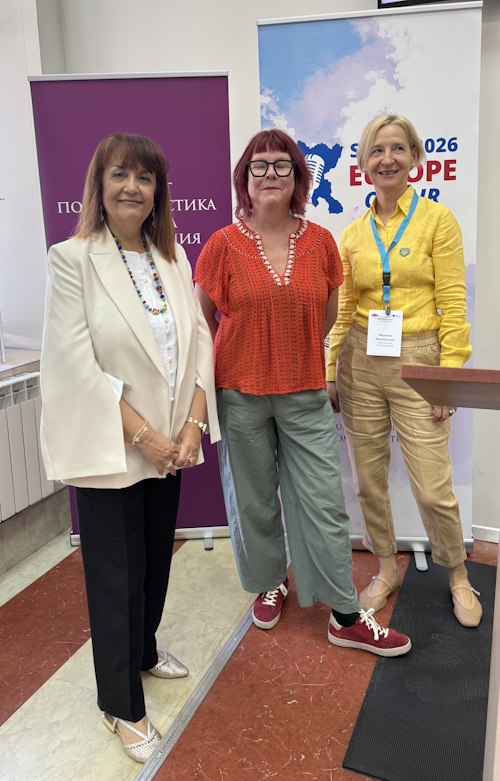
In conclusion, Prof. Valkanova expressed her confidence that over the course of the week, participants would deepen their knowledge of the subject, exchange different perspectives, and get to know one another through collaborative work on interactive and innovative journalistic formats and radio programs. She wished the students and faculty inspiring presentations, lively discussions, successful work, new professional contacts, and a pleasant stay in Sofia.
A guest at the event is Ms. Nadia Vissers, Director of the European Journalism Training Association (EJTA).
Europe on Air launched in 2013 in Belgium as an intensive training module and has been implemented in recent years as part of the Erasmus+ program.
Throughout the week, participants will work on topics related to social media, journalism, artificial intelligence, civic engagement, digital cultures, community building, and educational opportunities in the online environment. The program includes meetings with Bulgarian media experts, a visit to the Discoverer supercomputer at Sofia Tech Park, and work in the studios of the Faculty of Journalism and Mass Communication. The program will conclude with a one-hour podcast, which will be streamed, recorded, and broadcast by the university media outlets Alma Mater TV and Alma Mater Radio.