The 21st World Meeting of Bulgarian Media in Hungary brought together discussions on leadership and trust in journalism
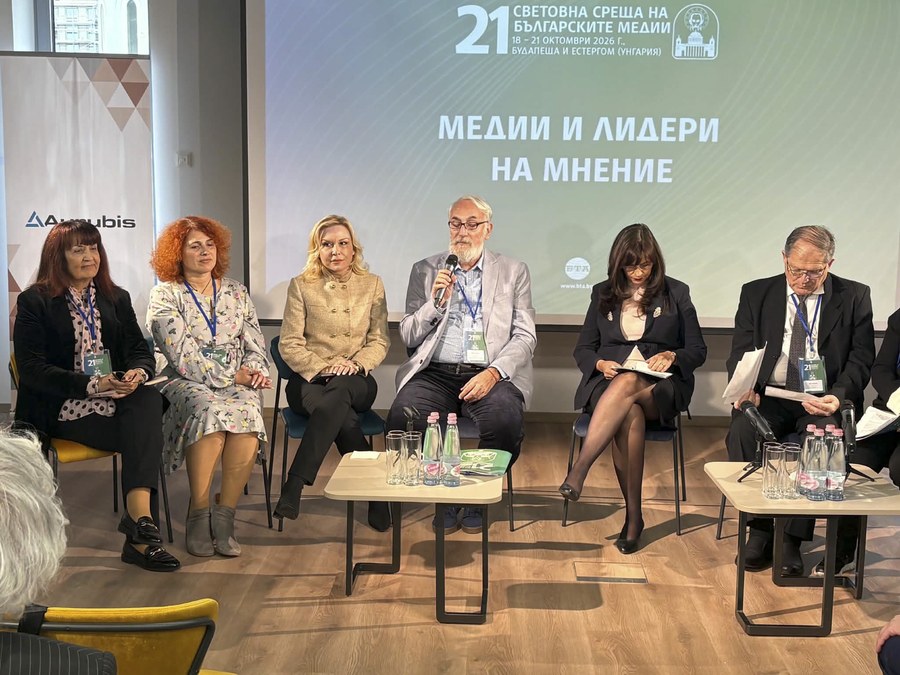
На 19 и 20 октомври 2026 г. в Будапеща се проведе 21-вата Световна среща на българските медии, организирана от Българската телеграфна агенция (БТА). Актуалното издание на тези ежегодни и очаквани с интерес срещи беше посветено на темата „Медии и водачи“.
The Faculty of Journalism and Mass Communication at Sofia University “St. Kliment Ohridski” was represented by the dean of the Faculty, Prof. Dr. Veselina Valkanova, and the vice-dean, Prof. Dr. Nikolay Mihaylov.
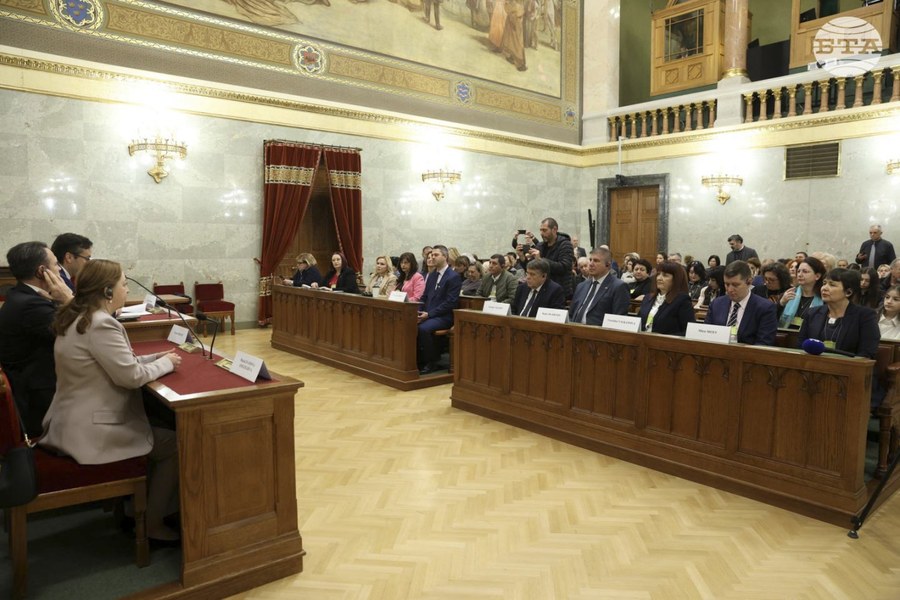
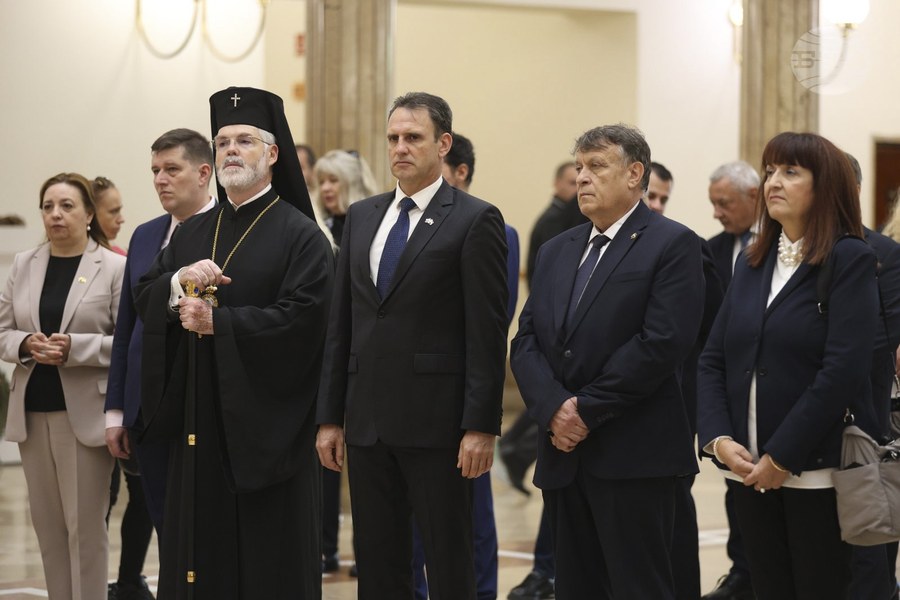
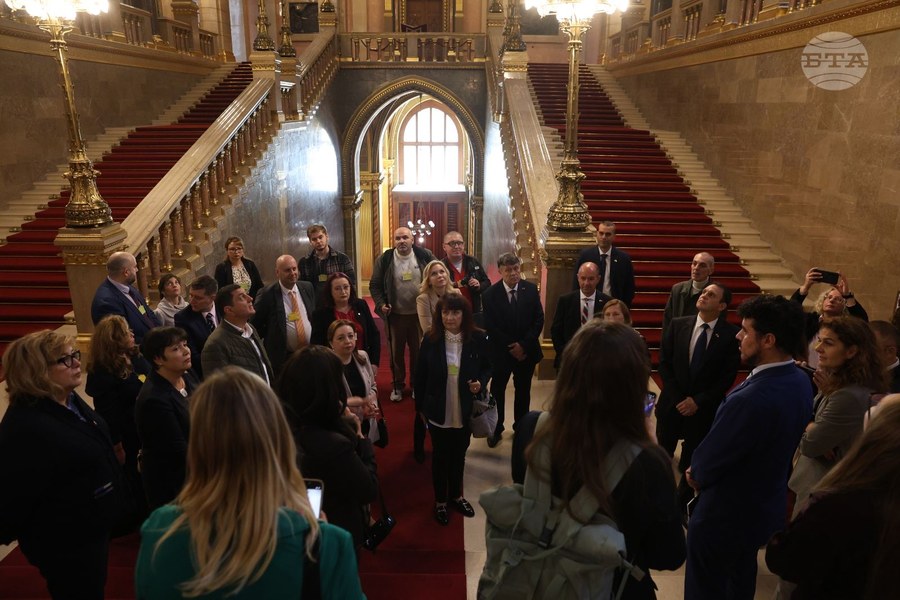
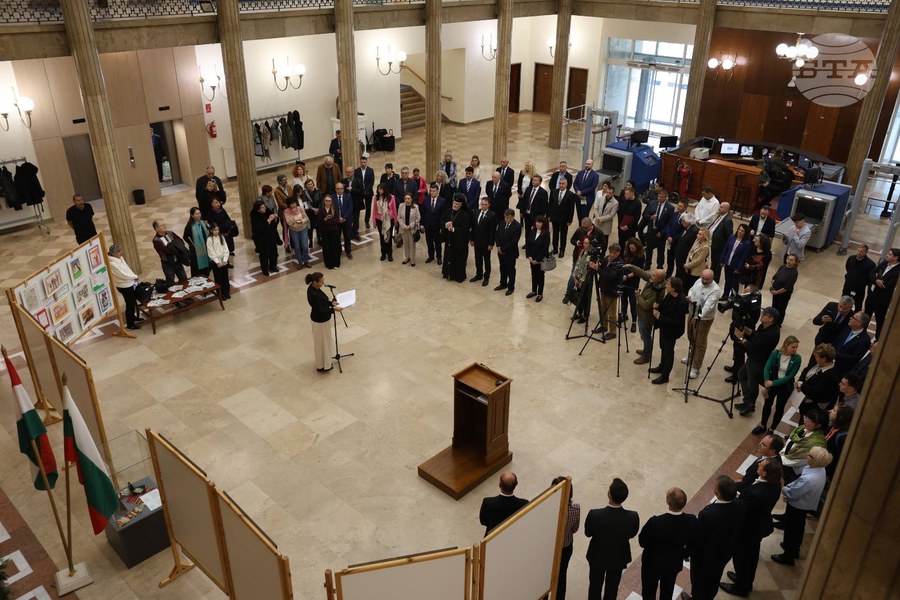
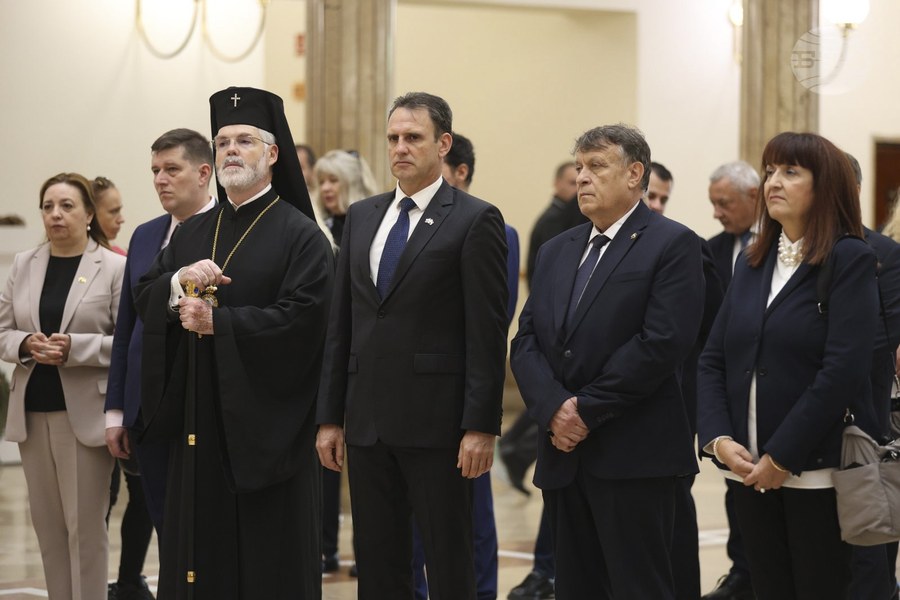
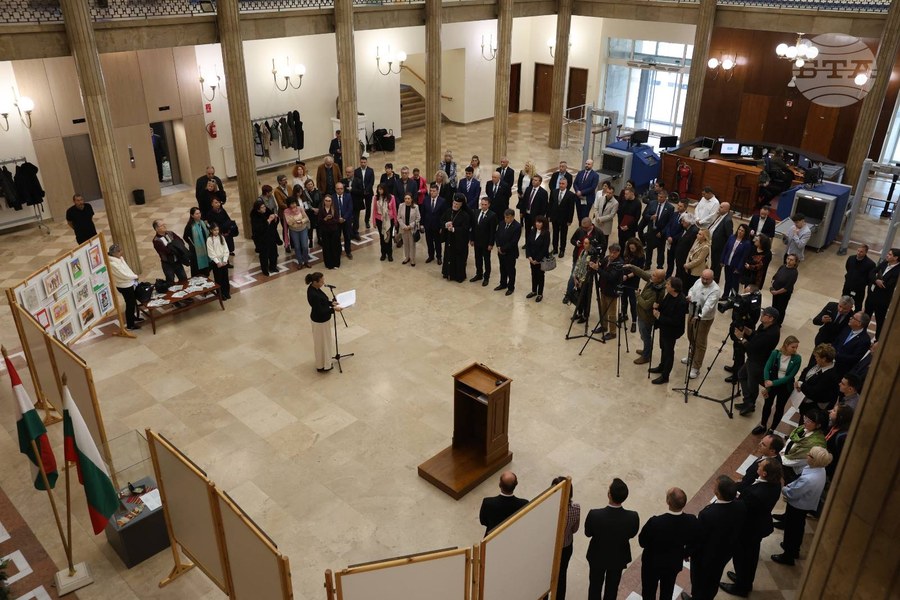
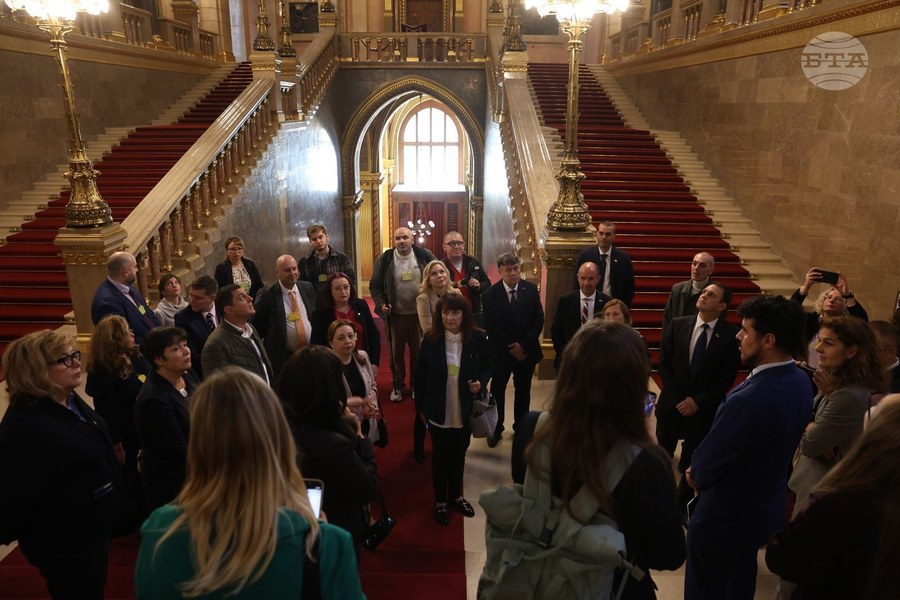
Prior to the official opening of the meeting, the participants visited the historic Parliament building in Budapest, where a meeting was held with Mr. Márton Hajdú, Chair of the Hungarian Parliament’s Committee on Foreign Affairs. The presidium of this high-level meeting included the Vice Chair of the National Assembly, Mr. Ivan Angelov; the Minister of Education and Science, Prof. Georgi Valchev; the Dean of the Faculty of Journalism and Mass Communication, Prof. Veselina Vulkanova; and the directors-general of the public media outlets. The delegation met with Mr. Zoltán Tár, Hungary’s Minister of Public Relations and Culture.
The 21st World Meeting of Bulgarian Media focused the professional discussions among the invited established Bulgarian journalists, representatives of the academic community, general directors of public media outlets, editors, and specialists from around the world on the role of journalism in the contemporary communications environment, the influence of public figures, and the media’s responsibility in shaping public debate.
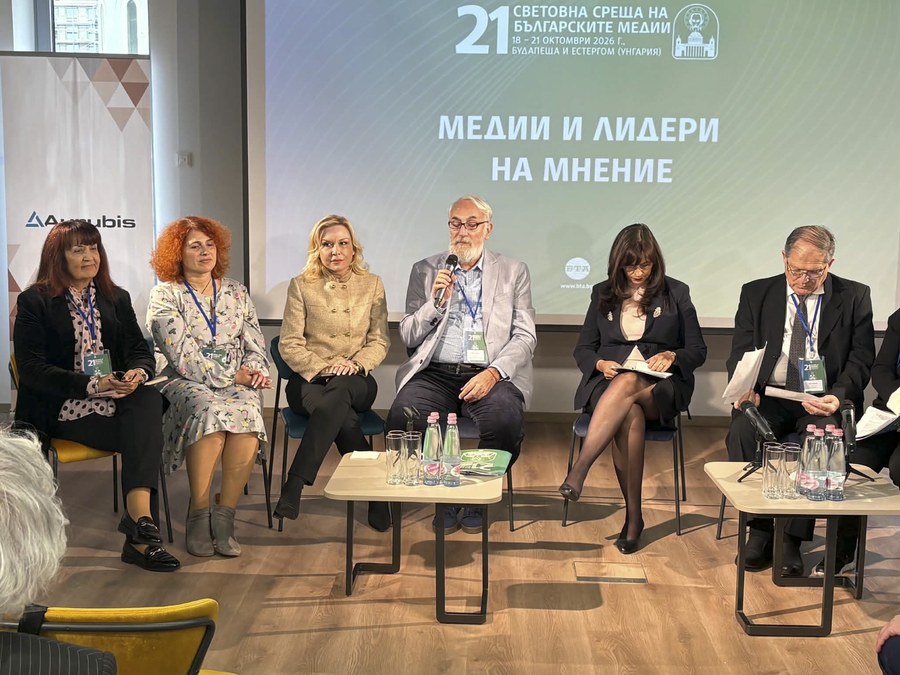
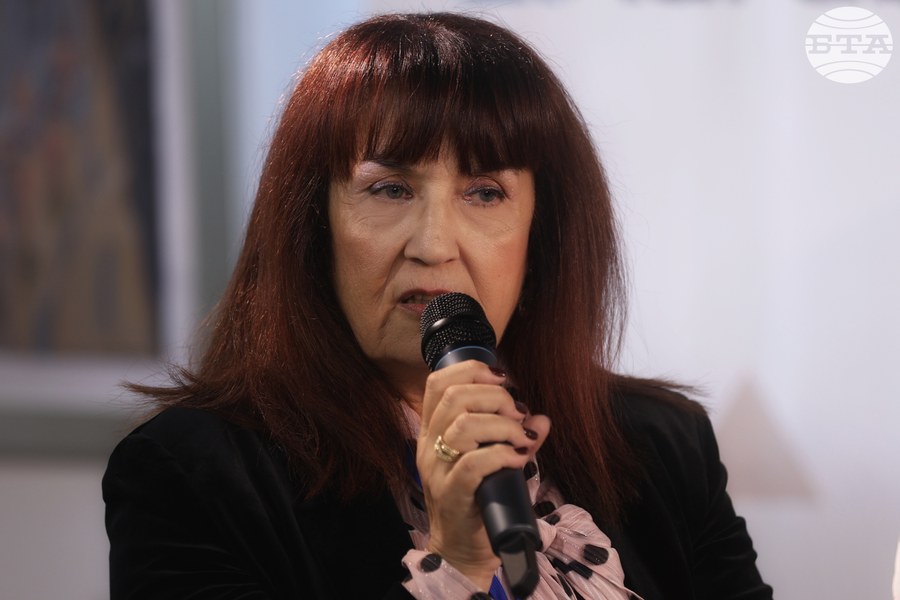
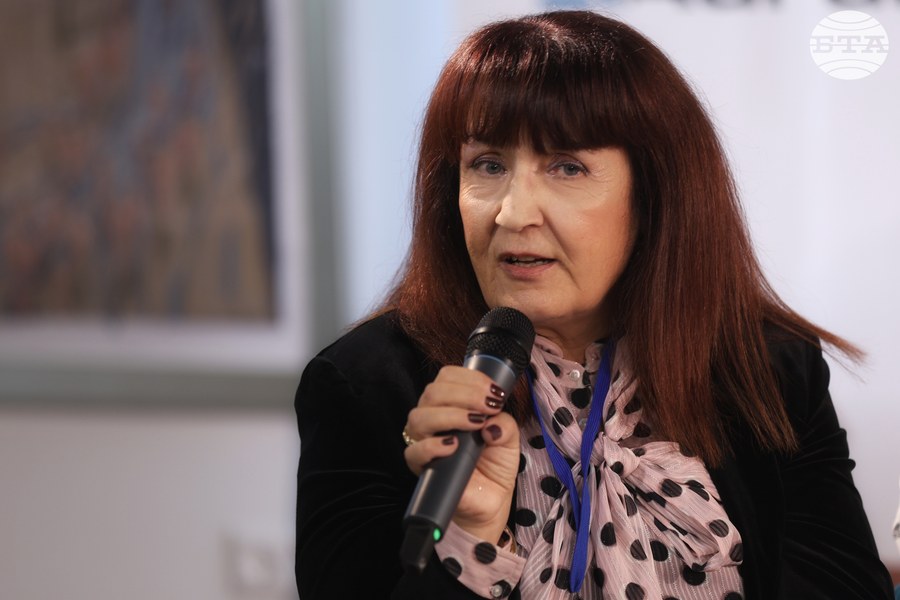
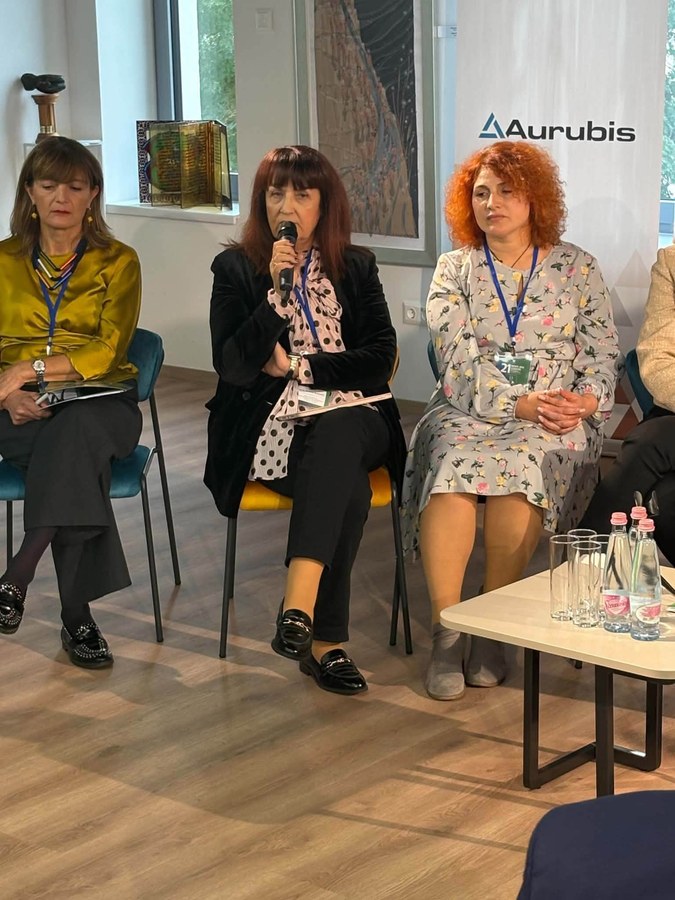
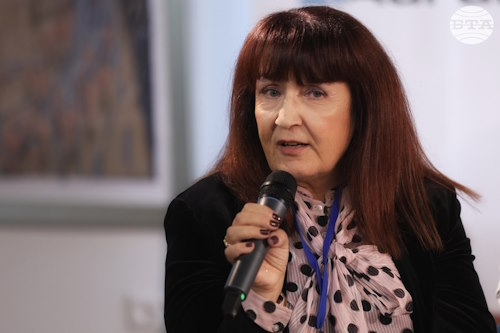
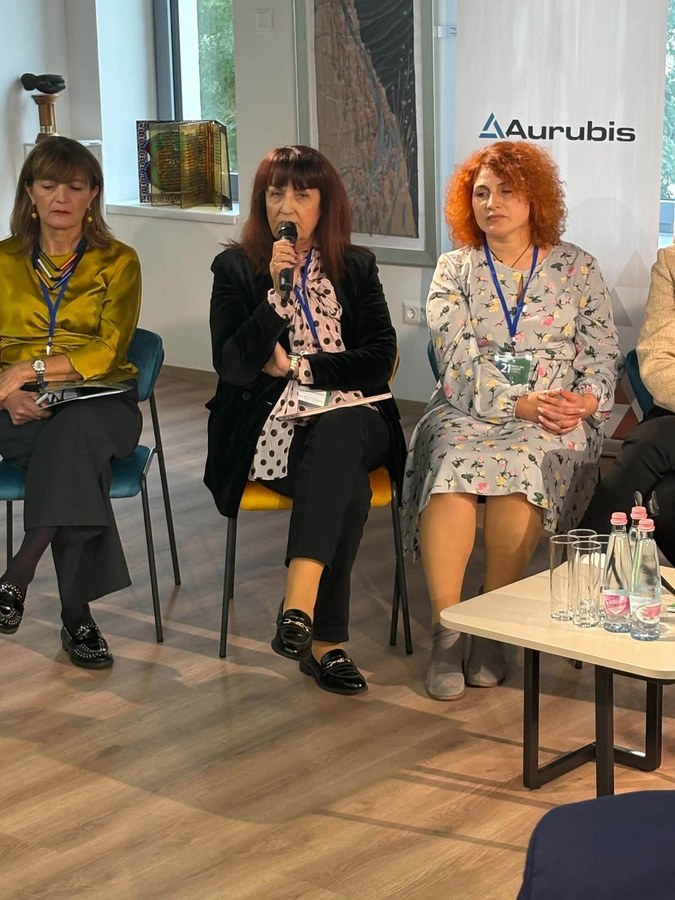
Prof. Veselina Valkanova’s participation in the panel discussion “Media and Opinion Leaders” was one of the forum’s main highlights. In her remarks, she raised the issue of journalism’s changing role in the digital environment, focusing on the relationships between the media, opinion leaders, and the audience—relationships that have become a highly complex system in the 21st century—and summarized the trends, risks, and challenges facing the media in a different communication environment. “In a world where information has never been so accessible, journalism has gradually ceased to be the primary disseminator of news. Instead, it is increasingly becoming an interpreter, verifier, and contextualizer of that information,” emphasized the dean of the Faculty of Journalism and Mass Communication, highlighting the public responsibility of professional journalism to subject all those seeking to influence public opinion to the same critical scrutiny.
The dean of the Faculty of Journalism and Mass Communication drew attention to independent news creators and emphasized that while traditional media often view these content creators as a threat, collaboration with these emerging news producers can provide the media with more meaningful voices. An important and impactful part of her remarks was her analysis of the crisis of trust among the audience, as well as the risks arising from the increased influence of social media platforms and influencers. Prof. Vulkanova highlighted the dangers of manipulation, disinformation, and hidden advertising influence, noting that traditional media are forced to share an ever-larger portion of the information space with new communication intermediaries and algorithmically curated content. The conclusion is that the problem today is not a lack of information, but rather the need for a critical approach and verification of its reliability.
In this context and in line with the panel’s theme, Prof. Valkanova also examined the transformation of leadership in public communication and the characteristics of direct communication, which cannot replace journalistic fact-checking because it does not ask uncomfortable questions, does not seek alternative perspectives, and bears no editorial responsibility—all of which distinguish professional media from any other public platform. Other key points in the dean’s remarks concerned the distinction between public authority and popularity achieved through digital platforms, the active role of journalism in shaping and presenting public authorities, and the quality of leadership within the structure of public dialogue.
In conclusion, Prof. Valkanova justified her position that the conversation about the media and leaders is, in fact, a conversation about trust—not trust as a rating, but trust as social capital, which is not built automatically but is accumulated through consistency, transparency, and professional responsibility. It is built when the media acknowledge their own mistakes, when they verify facts regardless of the political climate, and when they defend the public interest even when that is not the most popular position. The Dean of the Faculty of Journalism and Mass Communication’s participation was met with interest by the audience and sparked an engaging discussion on the issues raised in his presentation.
The moderator of this panel was Mr. Ivo Todorov, Director of the “Digital Programs” Department at Bulgarian National Radio and a doctoral student at the Faculty of Journalism and Mass Communication. Also participating in the panel discussion were Ms. Milena Milotinova, Director General of BNT; Dr. Gabriela Naplatanova, Chair of the Council for Electronic Media; Ms. Aksinia Ivanova and Mr. Ivan Tsankov, founders of the “Los Bulgarios” portal in Argentina; Ms. Anna Terzivets from Ukraine; Ms. Gergana Milcheva from Ireland; and Ms. Violina Hristova, Vice President of the Foreign Press Association in Italy..
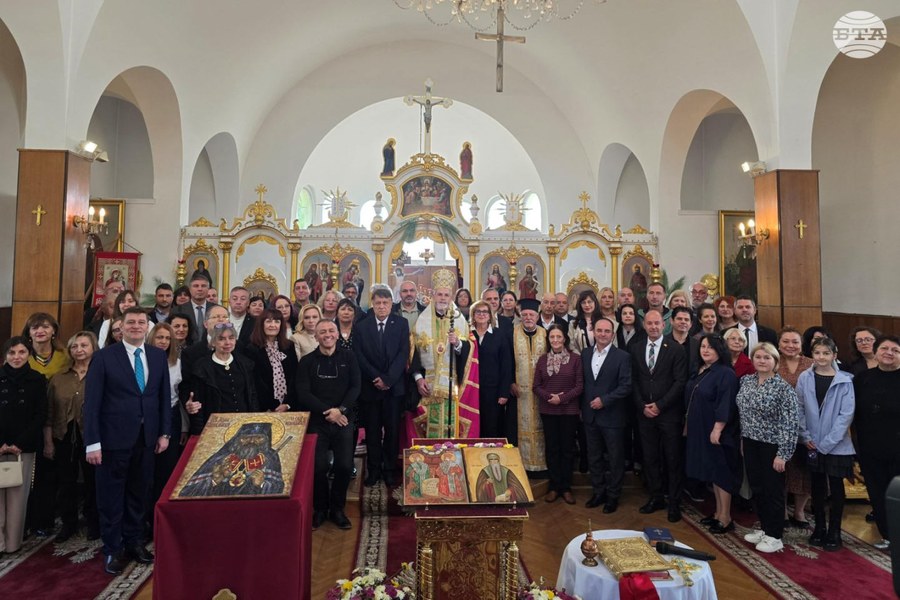
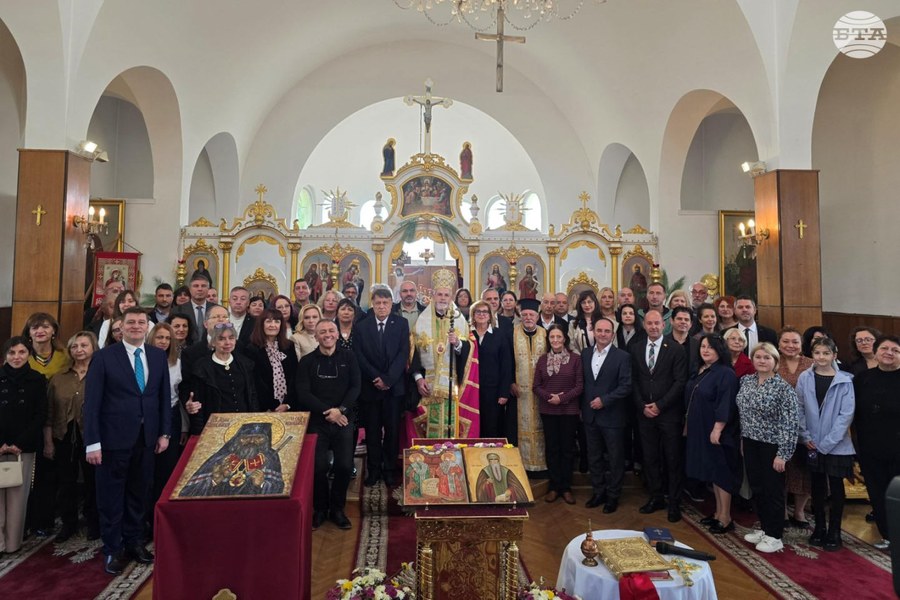
The program of the World Meeting was accompanied by events dedicated to Bulgaria’s spiritual and cultural heritage and the historical ties between Bulgaria and Hungary. On October 19, the participants visited the city of Esztergom, where they paid their respects at the memorial plaque of St. John of Rila in the Cathedral of the Assumption of the Virgin Mary and St. Adalbert. Before the plaque, Metropolitan Anthony of Western and Central Europe led a prayer service.
The forum brought together in-person and online participants from 25 countries, including 47 journalists from 32 Bulgarian-language media outlets around the world, representatives of two media associations and five media outlets from Bulgaria, as well as BTA correspondents abroad.
Photos by Hristo Kasabov, BTA